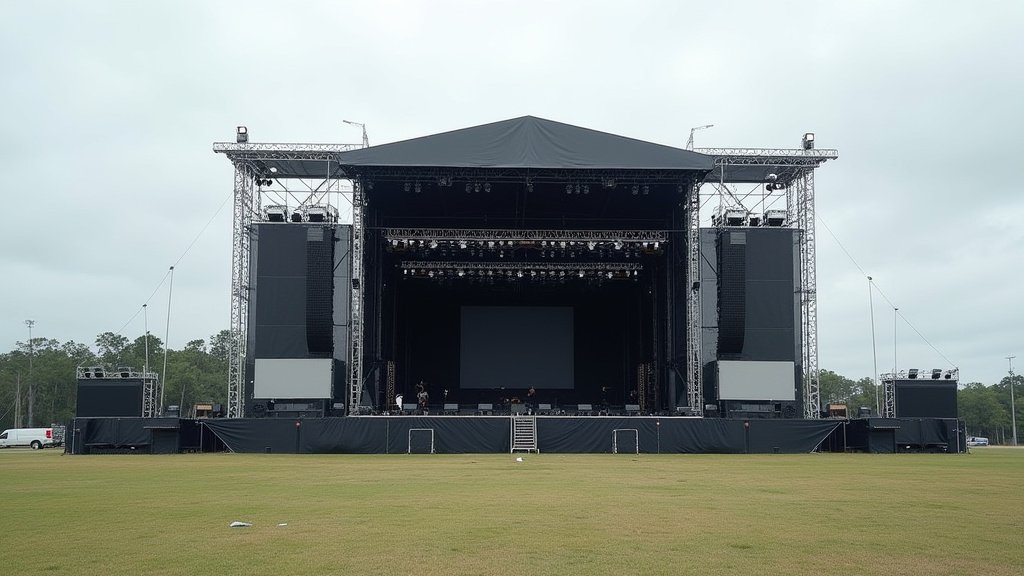
The highly anticipated Country Thunder Florida festival has been officially canceled due to the severe aftermath of Hurricane Milton, impacting concertgoers and the regional music circuit. Originally slated to bring a massive influx of tourists and music fans to Osceola Heritage Park, the organizers made the difficult but necessary decision to pull the plug as the region continues to grapple with widespread power outages, structural damage, and ongoing cleanup efforts necessitated by the historic storm. This cancellation marks a significant disruption to Florida’s fall music schedule, highlighting the precarious nature of hosting large-scale outdoor events in a state vulnerable to late-season tropical systems.
Key Highlights
- Event Status: Country Thunder Florida is officially canceled for the 2024 season following damage assessments post-Hurricane Milton.
- Venue Impact: Osceola Heritage Park, the designated venue in Kissimmee, sustained conditions that organizers deemed unsafe for festival operations.
- Ticket Protocol: All ticket holders are entitled to a full refund, with official channels advising fans to monitor email communication for processing details.
- Public Safety: The decision prioritizes the safety of attendees, staff, and artists, as emergency resources are diverted to recovery efforts rather than event management.
The Operational Reality and Storm Aftermath
The decision to cancel a marquee event like Country Thunder Florida is rarely made lightly, involving a complex matrix of logistical, financial, and safety considerations. Hurricane Milton, which barreled through central Florida with catastrophic wind speeds and rainfall, left a path of destruction that extended well beyond the immediate coastline. For organizers, the primary challenge was not merely the current state of the venue, but the broader infrastructure strain on the region.
Impact on Osceola Heritage Park
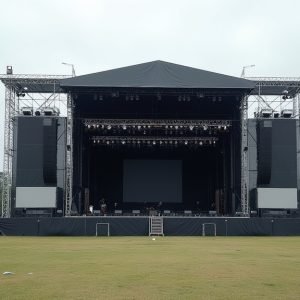
Osceola Heritage Park serves as the central hub for this festival, requiring extensive setup including massive sound stages, temporary fencing, vendor stalls, and camping infrastructure. Following the hurricane, structural integrity assessments were mandatory. High winds can compromise temporary stage setups, while saturated ground makes heavy-duty vehicle movement hazardous. The park administration and Country Thunder leadership determined that despite the festival’s robust planning, the environment could not be restored to a standard that guarantees the safety of thousands of attendees.
Safety First: The Decision-Making Process
When assessing whether to proceed after a disaster of this magnitude, event promoters analyze critical factors: access to emergency services, reliable power grids, and local transportation stability. With emergency personnel currently deployed for disaster relief across Kissimmee and surrounding Osceola County, allocating resources for security, traffic control, and medical support for a music festival was viewed as an untenable diversion. By canceling, the organization allows those essential emergency services to remain focused on residents’ immediate recovery needs, rather than being split between the city and the festival grounds.
Refund Protocols and Consumer Rights
For the thousands of ticket holders who had booked travel and accommodation, the cancellation triggers an immediate administrative response. Country Thunder has confirmed that refunds are being processed. It is standard industry practice for major festivals of this scale to have insurance policies covering “force majeure” events, such as hurricanes. Attendees are advised to keep their purchase confirmation numbers handy and check the official Country Thunder website or their registered email for specific timelines on when those funds will return to their accounts.
Analyzing the Regional Impact
The ripple effects of canceling an event of this magnitude are profound, affecting everything from local hospitality revenues to the momentum of the country music touring circuit.
Economic Consequences for Kissimmee
Kissimmee relies heavily on event-based tourism to sustain its local economy. Hotels, restaurants, and transport services were anticipating a significant boost during the festival weekend. When an event is canceled, there is an immediate “demand shock” where bookings are dropped, and projected revenue disappears. Small businesses, particularly those operating as vendors within or near the festival, often face the hardest hit, as they have already invested in perishable goods, staffing, and logistical preparations that cannot be recouped.
Festival Logistics and Hurricane Season Risks
Florida’s hurricane season extends through November 30, creating a persistent challenge for event planners. This incident serves as a stark reminder of the vulnerability of “outdoor temporary architecture.” Unlike indoor arenas, festival grounds are susceptible to ground saturation, wind-loading issues, and the inability to shelter large crowds during severe weather. Future planning for such events will likely see tighter integration between festival insurance adjusters and local meteorological data to determine “go/no-go” deadlines earlier in the planning phase.
Future Outlook for Florida’s Music Circuit
While this cancellation is a setback, the resilience of the Florida music scene remains high. The industry is already looking toward the 2025 season. Festivals such as Country Thunder are institutional pillars for the genre in the Southeast. The organizers have a history of successful management, and the community expects them to return with robust planning in the coming years. This event, however, will likely be studied as a case scenario in disaster preparedness and the importance of having flexible cancellation clauses for both vendors and fans.
FAQ: People Also Ask
Will tickets be automatically refunded?
Yes, Country Thunder has stated that refunds will be processed automatically for purchases made through official channels. Customers do not typically need to initiate a request, but they should monitor their email for confirmation of the refund transaction.
Is the festival postponed or canceled entirely?
As of the latest reports, the festival is canceled for the 2024 cycle. It is not currently being marketed as a postponed date, meaning fans should expect a full refund rather than a rescheduled event for this specific calendar year.
How does a hurricane affect festival insurance?
Large festivals carry comprehensive insurance policies that include “event cancellation” coverage. This specifically covers acts of God, such as hurricanes, allowing organizers to recover costs associated with artist deposits, stage rentals, and site fees, which in turn facilitates the refund process for ticket holders.
What happens to the local vendors scheduled for the festival?
Local vendors generally face significant losses. Unless specific “act of God” clauses exist in their vendor contracts with the event organizers, they often absorb the costs of wasted inventory and staffing commitments. It is a harsh economic reality of the festival industry in disaster-prone regions.