This week’s release cycle offers a masterclass in the balancing act of modern country music, bridging the gap between veteran vocal powerhouses and the rising tide of independent artistry. As the music industry continues to navigate a high-velocity streaming landscape, Countrytown’s latest “Country Drop” guide serves as a critical filter for listeners, identifying the best new country music that demands attention. The standout narrative this week is undeniably the collaborative force of Caylee Hammack and Trisha Yearwood, whose new duet, “Coldest Shoulder,” has dominated industry conversation, marking a pivotal moment in both artists’ ongoing creative trajectories.
Key Highlights
- High-Profile Collaboration: Caylee Hammack and Trisha Yearwood unite on the evocative new track “Coldest Shoulder.”
- Independent Growth: Michael Honan makes a significant impact with the release of his latest EP, signaling the continued rise of independent artist production.
- Strategic Release Patterns: The 16 October drop demonstrates how artists are increasingly utilizing mid-week release strategies to maximize algorithmic exposure on major streaming platforms.
- Vocal Synergy: The week’s music emphasizes a return to strong, narrative-driven vocal performances that honor traditional country roots while embracing modern production techniques.
The Anatomy of a Modern Country Collaboration
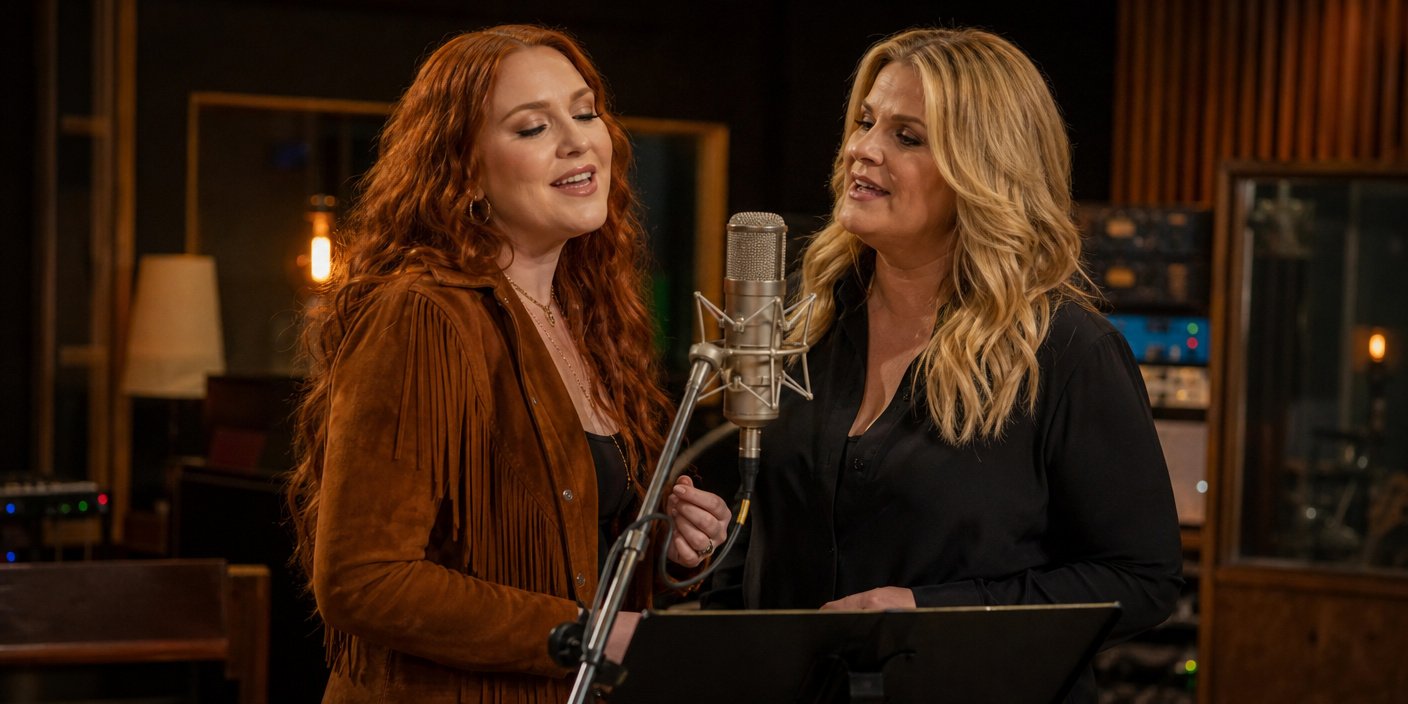
The most significant development in this week’s country music landscape is the release of “Coldest Shoulder” by Caylee Hammack and Trisha Yearwood. When two artists of such distinct vocal pedigrees combine, the immediate focus is on how their respective styles coalesce. Hammack, known for her grit and raspy, blues-tinged vocal textures, finds an interesting foil in Yearwood, whose voice has remained a gold standard for clarity and emotional resonance in country music for decades.
Analyzing “Coldest Shoulder”
“Coldest Shoulder” is not merely a song; it is a lesson in vocal interplay. The production choices lean into a classic country aesthetic—stripped-back instrumentation that allows the lyrics to take center stage. For modern audiences, this serves as a refreshing palate cleanser amidst the pop-country saturation often found in current radio rotations. The track explores themes of heartbreak and distance with a mature lens, suggesting that both artists are leaning into storytelling that resonates with a broad demographic. By pairing a newer, rebellious spirit like Hammack with an established icon like Yearwood, the track effectively bridges the generational divide that often dictates country music consumption.
The Impact of Cross-Generational Features
From a marketing perspective, this duet is a masterclass in audience expansion. For Yearwood, it maintains relevance with younger demographics who may primarily know her as a television personality or legacy act. For Hammack, the collaboration provides a stamp of legitimacy from one of the industry’s most respected voices. This dynamic is a proven strategy in the current musical climate, where playlist placement is driven by “big name” pairings that capture listener attention in the opening seconds of a track.
Michael Honan and the Independent EP Movement
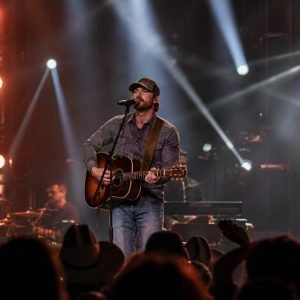
While collaborations often dominate the headlines, the release of Michael Honan’s new EP represents the other, equally vital side of the country music ecosystem: the rise of the independent artist. EP (Extended Play) releases have become the preferred vehicle for emerging artists, allowing them to release content more frequently than a traditional full-length album cycle allows. This keeps their names in the consideration set for playlist curators and maintains fan engagement without the heavy production costs or time commitment of a 12-track project.
Assessing the EP Strategy
Honan’s project highlights the importance of thematic cohesion. In the streaming era, where listeners are prone to skipping tracks, an EP allows an artist to present a distilled, high-quality sonic identity. Honan appears to be utilizing this project to refine his brand, focusing on specific narrative arcs that characterize his personal experience. For listeners looking for something beyond the major label machinery, Honan’s work provides a raw, unfiltered perspective that is often missing from heavily polished mainstream releases.
The Shifting Landscape of Weekly Release Cycles
The 16 October drop provides a lens into how the industry is evolving. Historically, Friday was the only day for new music, but the proliferation of digital platforms and the “always-on” nature of social media have encouraged a more fluid release schedule. Countrytown’s role as a curator has become increasingly important because of this. With hundreds of tracks released daily, the “Best Of” lists serve as a vital triage mechanism for fans.
The Role of Curators in the Algorithm Age
Algorithmic playlists (like Spotify’s New Boots or Apple Music’s Country Risers) are powerful, but they lack human context. They are driven by data points—stream counts, skip rates, and user preferences. In contrast, editorial guides like Countrytown’s provide the “why.” They contextualize the music, explaining the artist’s background, the production nuances, and why a song matters in the broader cultural conversation. This is the difference between passive listening and active engagement. By highlighting specific tracks, these outlets help artists secure the “listener saves” that are crucial for long-term algorithmic success.
Production, Style, and the Future of Country Sound
Looking at the broader trends represented by this week’s music, we see a distinct tension between the “modern-traditional” sound and full-tilt pop-country fusion. The industry seems to be settling into a new equilibrium. Artists are no longer choosing between fiddles and synthesizers; they are integrating both. The production quality of both “Coldest Shoulder” and Honan’s EP showcases a sophisticated approach to the recording process, where digital polish is used to enhance, rather than bury, organic instrumentation.
Vocal Evolution in the Genre
One notable observation is the evolution of vocal production. The trend toward highly compressed, “bright” vocals is seeing a pushback. The tracks highlighted this week opt for a warmer, more breathy, and human-sounding mix. This shift speaks to a larger cultural trend: a desire for authenticity in an increasingly synthetic digital world. Listeners are craving music that sounds like a performance, not a product. This trend bodes well for singer-songwriters who prioritize vocal dexterity and emotional output over studio-generated perfection.
Future Predictions for the Fourth Quarter
As we move deeper into the fourth quarter, the release strategy will likely shift from “discovery-focused” to “catalog-building.” Artists are racing to get new music into the streaming ecosystem before the holiday season begins, a time when country music traditionally sees a massive spike in consumption. We can expect to see more EPs, high-profile duets, and “deluxe” album editions as labels push to maximize their market share before the year-end charts are finalized. The success of this week’s featured artists will serve as a bellwether for how the industry handles these competitive release windows.
FAQ: People Also Ask
Q: Why are EPs becoming more popular than albums in country music?
A: EPs allow artists to release music more frequently, maintaining engagement with their audience without the massive time and financial commitment required for a full-length studio album. They also fit better into the current streaming habit of consuming shorter, curated blocks of music.
Q: What is the significance of Caylee Hammack and Trisha Yearwood collaborating?
A: It represents a successful cross-generational bridge in country music, combining a legacy artist’s established fanbase and vocal prestige with a rising artist’s modern, gritty edge, which helps expand the reach of both performers.
Q: How does a weekly list like Countrytown’s impact an artist’s career?
A: Editorial curation provides human context and validation that algorithms often miss. Being featured on a reputable list can drive initial streams, trigger playlist adds by algorithmic bots, and increase the likelihood of the artist being picked up by larger radio programmers.
Q: Is the “modern-traditional” country sound a long-term trend?
A: Yes. Audience data suggests that listeners are increasingly fatigued by overly pop-focused country production. The success of artists who integrate classic instruments and authentic vocal styles indicates that the industry is leaning back toward a more roots-based, organic sound for the foreseeable future.