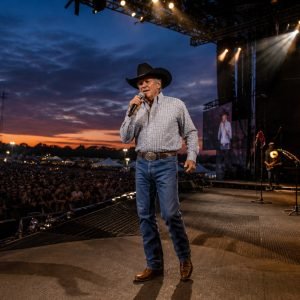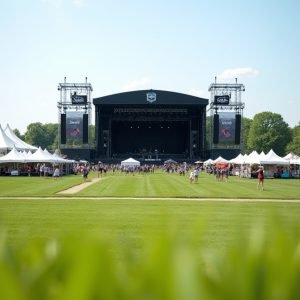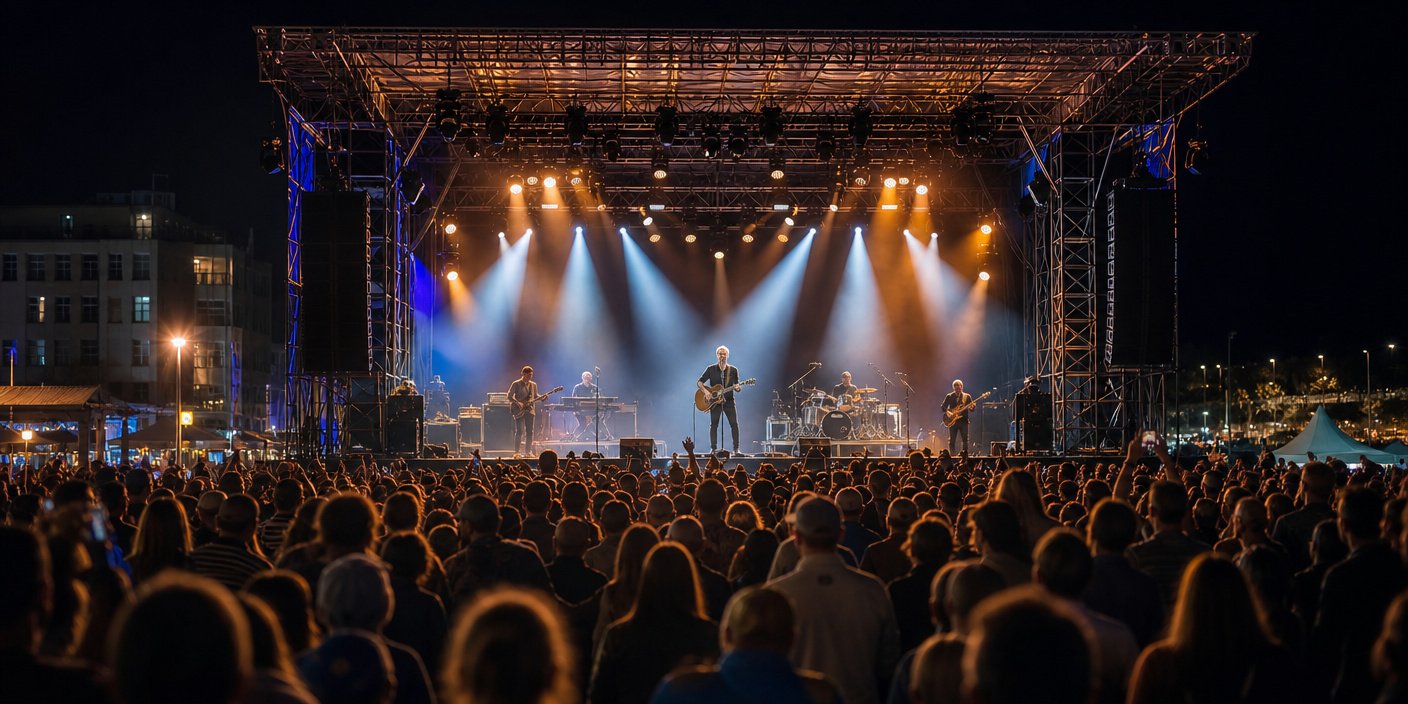
The fifth annual YQM Country Fest has descended upon Dieppe, New Brunswick, bringing a massive influx of tourists and top-tier musical talent to the region. While headliners Zac Top, Eric Church, and Post Malone have delivered highly praised performances, the event is currently grappling with significant logistical friction. Attendees have taken to social media and on-site feedback channels to report critical infrastructure failures, specifically citing a dearth of potable water access and a lack of cell phone charging infrastructure, raising questions about the festival’s operational scaling as it enters its fifth year.
Key Highlights
- High-Profile Talent: Headliners Zac Top, Eric Church, and Post Malone anchor the festival’s musical lineup, attracting thousands to the Dieppe region.
- Operational Growing Pains: Reports from attendees indicate significant shortages in essential infrastructure, specifically access to potable water and mobile device charging stations.
- Location Impact: As a premier event in Dieppe, New Brunswick, the festival serves as a major economic driver, but critics argue the logistical execution is struggling to keep pace with the event’s rapid growth.
Navigating the Logistical Growing Pains of YQM
The allure of major country music festivals lies in the synthesis of spectacle, community, and atmosphere. When YQM Country Fest launched, it promised to elevate the cultural footprint of Atlantic Canada. However, as the event celebrates its fifth anniversary, the narrative has shifted from pure musical triumph to a conversation about the operational reality of managing a massive, high-density crowd in Dieppe. The sudden surge in reports regarding water shortages and charging station availability highlights a common, yet critical, failure in the lifecycle of rapidly scaling festivals: the lag between booking A-list talent and upgrading the ‘invisible’ infrastructure that sustains the audience.
The Infrastructure Disconnect
For the modern festival-goer, connectivity and hydration are not mere comforts; they are logistical necessities. In an era where ticket purchases, ride-sharing coordination, and social media documentation are all tethered to smartphones, the inability to access charging stations creates a cascade of anxiety for attendees. When organizers fail to provide adequate power hubs, it creates localized congestion and frustration, detracting from the performances of artists like Post Malone or Eric Church. Similarly, the reported shortage of water stations is a more severe concern. In high-density environments, especially during summer months, access to hydration is a baseline safety requirement. When this infrastructure falters, it reflects a misalignment between revenue-generating capacity—the ticket sales—and the visitor experience. Municipal planners and private promoters are now faced with the challenge of retrofitting these systems mid-event or addressing them with significant speed to prevent a long-term erosion of the festival’s brand equity.
The Economic and Cultural Multiplier Effect
Dieppe has undoubtedly benefitted from the YQM Country Fest. The influx of thousands of tourists translates into significant revenue for local hotels, restaurants, and transport services. The festival acts as a ‘macro-economic event’ for the region, placing Dieppe on the map as a destination for major touring acts that might otherwise bypass the Maritimes. However, this economic windfall brings a responsibility to deliver a seamless experience. If the ‘brand’ of YQM becomes synonymous with logistical frustration, the long-term sustainability of the festival—and its ability to attract high-tier sponsors—could be jeopardized. The goal for organizers, moving forward, must be to view infrastructure not as a secondary concern to the lineup, but as the foundational product itself.
Looking Ahead: Future Proofing the Fest
As YQM looks beyond its fifth year, the blueprint for success must evolve. The current issues underscore the need for a more robust integration between festival logistics and municipal urban planning. This involves increasing the baseline allotment for water kiosks, implementing decentralized charging ‘power forests’ throughout the venue, and perhaps most importantly, enhancing real-time communication with attendees. When infrastructure fails, clear communication can mitigate a portion of the frustration. The ability to pivot—to acknowledge the error and provide immediate, temporary solutions—is what separates boutique regional events from world-class festival brands. The organizers now find themselves at a crossroads: they have the talent to bring the crowds, but they must now prove they have the operational rigor to keep them comfortable.
FAQ: People Also Ask
What specific logistical issues have been reported at YQM Country Fest?
Attendees have widely reported insufficient access to potable water stations and a lack of available cell phone charging infrastructure, leading to long queues and user frustration on-site.
Who are the main performers for the fifth annual YQM Country Fest?
The festival is headlined by Zac Top, Eric Church, and Post Malone, drawing significant attention to the Dieppe venue.
Is the YQM Country Fest an annual event?
Yes, the YQM Country Fest is currently in its fifth year, marking it as a staple, rapidly growing event in the Dieppe, New Brunswick summer calendar.
How do logistical issues affect the overall festival experience?
Logistical gaps, particularly regarding water and connectivity, can overshadow the quality of musical performances, leading to negative attendee sentiment and potential reputational risk for the festival organizers.