Concert Safety Protocols and the Tulsa Cancellation
Prioritizing Fan Welfare Amidst Severe Weather
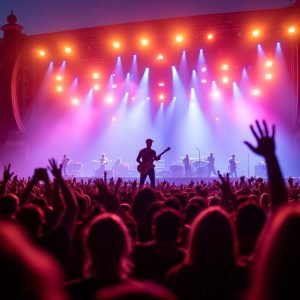
In an industry where the show almost always goes on, Zach Bryan made the difficult but widely praised decision to cancel his scheduled performance in Tulsa due to imminent severe weather threats. The decision underscores a growing emphasis on live event safety protocols, particularly as unpredictable climate patterns increasingly interfere with large-scale outdoor and arena-based tours. For a musician known for his intense, connection-driven live performances, the choice to prioritize the wellbeing of his dedicated fanbase over the financial and logistical momentum of a tour stop highlights a professional maturity that resonates with his audience.
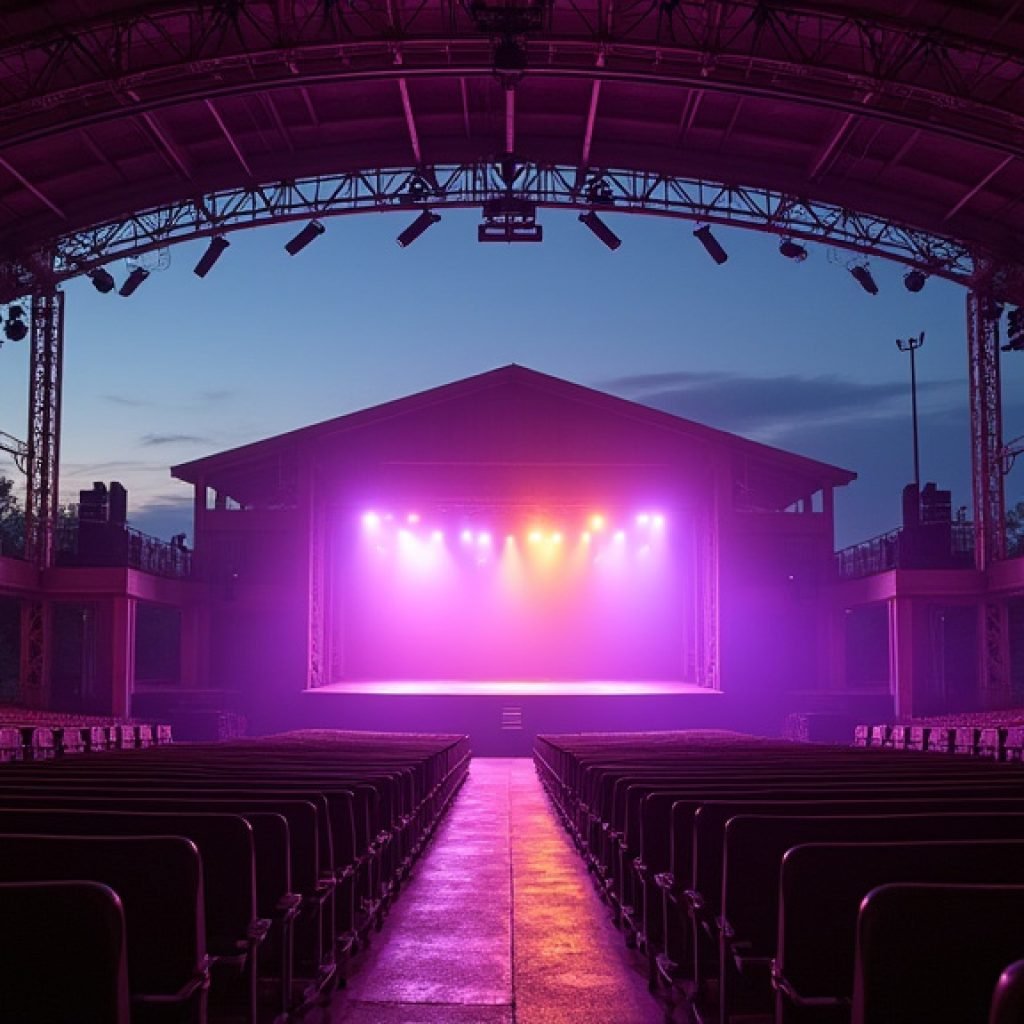
When severe weather warnings were issued for the Tulsa area, event organizers and management teams were forced to evaluate the feasibility of hosting thousands of fans safely. These decisions are rarely made in isolation; they involve complex consultations with local meteorological services, venue security experts, and municipal emergency management. The primary concern is not just the immediate threat of a storm—such as high winds, lightning, or localized flooding—but the logistical nightmare of managing a safe, rapid evacuation of a packed venue if conditions deteriorate suddenly. By preemptively canceling, Bryan’s team avoided a scenario where fans could be left stranded or endangered while trying to exit in a panic.
The Logistics of Tour Disruptions
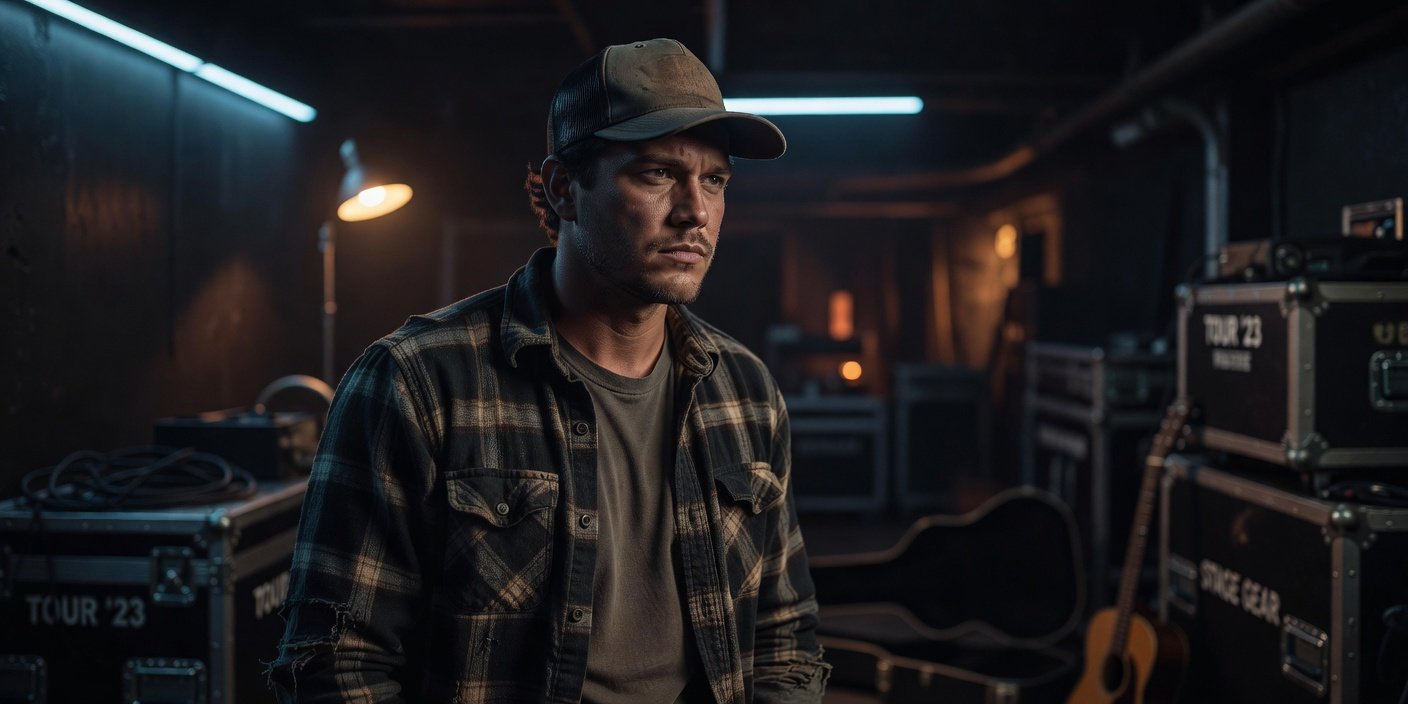
Canceling a show of this magnitude is a logistical undertaking of massive proportions. Beyond the ticket refunds, which represent a significant administrative task, there is the immediate rescheduling or complete loss of revenue for crew, local venue staff, and the artist’s production team. Production equipment, which often arrives days in advance, must be secured or relocated, and touring personnel must be rerouted. Despite these massive logistical headaches, the industry standard has shifted heavily toward a ‘safety-first’ mentality, largely influenced by high-profile incidents over the past decade where lack of preparedness led to tragedy. Zach Bryan’s move is part of this necessary evolution in live music touring.
Emotional and Economic Impact on Local Markets
For the city of Tulsa, a Zach Bryan concert is more than just a musical performance; it is a significant economic catalyst. Local hospitality, transportation, and small businesses often gear their entire week around the influx of tourism that a major star brings to the area. A cancellation, even when justified by public safety, sends a ripple effect through the local economy. Fans often travel from neighboring states, booking flights, hotels, and dining experiences months in advance. When the music stops abruptly, the disappointment is felt as much in the city’s commerce sector as it is among the fan base. However, most local officials and business owners have expressed support for the decision, recognizing that the potential risk of injury far outweighs the short-term economic loss.
The Future of Outdoor Performance in a Changing Climate
As extreme weather events become more frequent, the music industry is facing an existential question about the sustainability of traditional touring models. How do artists continue to connect with fans in large, open-air, or weather-sensitive venues when the environment becomes increasingly volatile? We are likely to see more robust, predictive technology integrated into tour planning, as well as more flexible insurance policies and better-defined contractual clauses regarding weather-related force majeure. Zach Bryan’s situation is a microcosm of a broader challenge facing the live entertainment sector: how to balance the demand for large-scale, communal experiences with the stark realities of climate-related disruptions. Artists, promoters, and venue managers will need to continue innovating their crisis management strategies to ensure that the next generation of concerts can remain both spectacular and safe.