In a development sending ripples through the music industry, the groundbreaking AI country song titled “Walk My Walk” by the mysterious artist Breaking Rust has achieved the number one position on Billboard’s Country Digital Song Sales chart. This marks a significant first, as an AI-created musical piece has now topped a major country music sales chart, raising profound questions about artistry, authenticity, and the future of music creation, especially concerning this unique AI country song.
The Unprecedented Rise of Breaking Rust: An AI Country Song Phenomenon
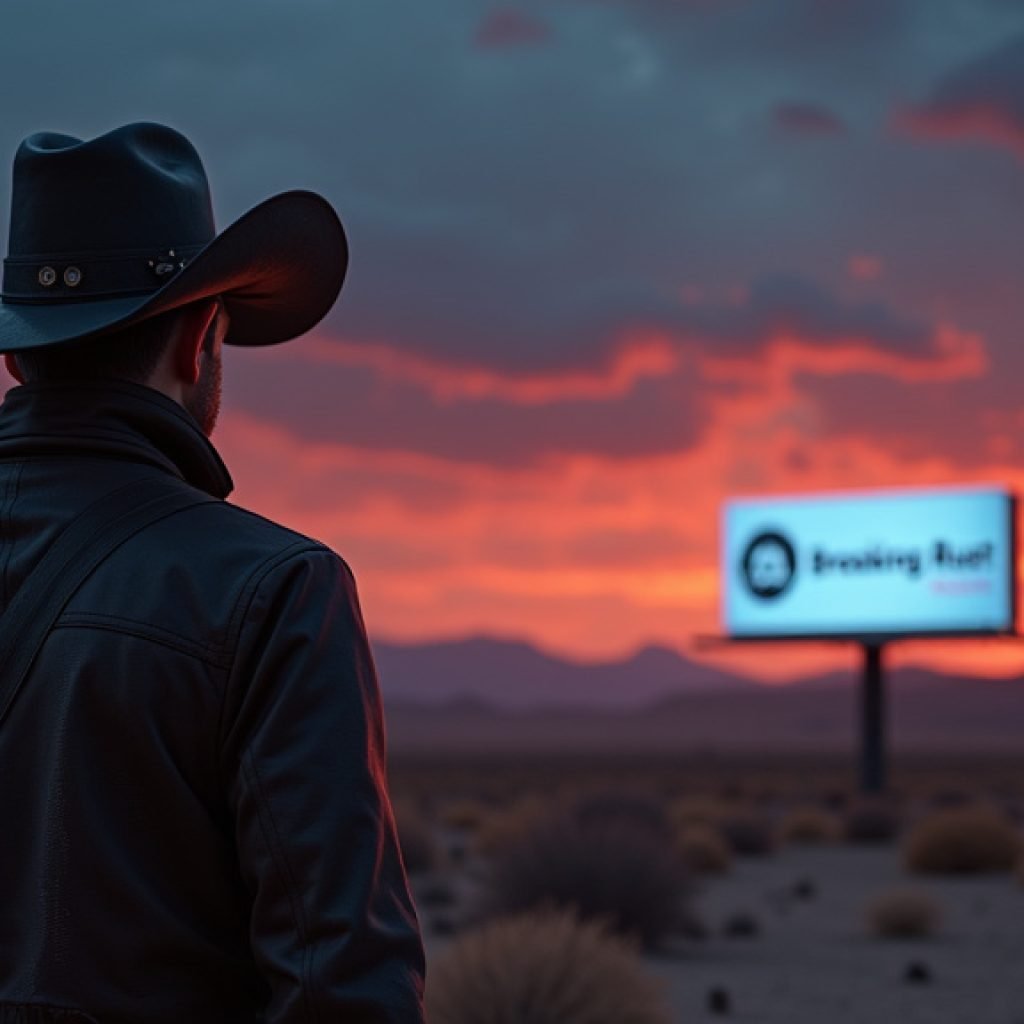
The song “Walk My Walk” has rapidly ascended to the top, with its achievement being officially noted by Billboard on Monday, November 10, 2025. However, the artist behind the hit, Breaking Rust, is not a traditional musician. Widely reported and analyzed by industry professionals and AI detection tools, Breaking Rust is understood to be powered by generative AI technology, presenting a virtual persona with no public identity. The artist surfaced in mid-October, captivating audiences with dusky, cinematic visuals of a lone cowboy on platforms like Instagram, where it quickly amassed a considerable following of over 35,000 users. On Spotify, Breaking Rust boasts more than 2 million monthly listeners, with several tracks, including “Livin’ on Borrowed Time,” surpassing millions of streams, all contributing to the buzz around this unique AI country song.
Despite its synthetic origins, the song’s sound is described as indistinguishable from mainstream country music, featuring a deep, guttural male vocal performance that has resonated with listeners. The visual elements accompanying Breaking Rust, including illustrations, photos, and promotional clips, are undeniably AI-generated, further solidifying its classification as an AI artist within the music industry, and specifically as a purveyor of AI country song creations.
Unraveling the Creator: Aubierre Rivaldo Taylor and Def Beats AI Behind the AI Country Song
While Breaking Rust itself does not explicitly claim AI usage, the lack of a human singer and the AI-generated visuals have led to its widespread labeling as an AI-powered artist. Songwriting credits for “Walk My Walk” and other tracks are linked to Aubierre Rivaldo Taylor. However, public information about Taylor is scarce, with the name appearing almost exclusively in association with the AI music project Def Beats AI. This anonymity has fueled speculation about whether Taylor is a real person or another AI construct, adding another layer to the mystery of this groundbreaking AI country song.
AI music identification software tools have indicated a high probability, ranging from 60 to 90 percent, that “Walk My Walk” was generated by artificial intelligence. This situation is compounded by the proliferation of AI generative platforms like Suno and Udio, which have made creating AI-generated music increasingly accessible, paving the way for more AI country song hits and other AI music. The emergence of this AI country song truly signifies a new era for generative AI music.
Industry Impact and Ethical Debates Surrounding the AI Country Song
The success of “Walk My Walk” marks a significant moment, signaling that AI-generated music is no longer a niche curiosity but a contender in mainstream music markets. This achievement has reignited a long-standing debate about the future of music, creativity, and what it means to be an artist in the age of artificial intelligence. Many observers note that the sales volume required to top the Country Digital Song Sales chart is relatively low, with estimates suggesting around 3,000 to 4,000 downloads, which raises questions about the true measure of popularity and chart integrity when AI entities can achieve such rankings with minimal human engagement, especially for an AI country song.
Industry professionals and artists have voiced concerns about music authenticity, copyright infringement, royalties, and the potential displacement of human talent. The Recording Academy and major labels have already initiated legal actions against AI music startups, citing the use of copyrighted material in AI training data. The situation compels the music industry and charting organizations like Billboard to consider policies regarding the labeling and regulation of AI-generated content, particularly for chart-topping AI country song entries.
A New Frontier for Country Music Stories: The AI Country Song Era
Country music, a genre deeply rooted in storytelling, authenticity, and human experience, now faces a unique challenge. While some experts believe AI can serve as a creative tool, they argue it cannot replicate the genuine emotion and lived experiences that define the heart of country music. Reviewers have described “Walk My Walk” as technically proficient but lacking the emotional depth and intricate storytelling typically found in compelling country narratives, a common critique of an AI country song.
Other AI-driven musical acts have also seen traction. For instance, the AI singer Xania Monet, whose genre is R&B and soul, previously entered the US bestselling charts. The Velvet Sundown project, a classic rock group confirmed to be an AI product, also garnered significant attention with over a million streams on one of its tracks. These instances, alongside Breaking Rust’s chart-topping success with its AI country song, indicate a growing trend of AI music penetrating the mainstream and a new path for the AI country song.
Looking Ahead: Transparency and Adaptation in the Age of the AI Country Song
The chart success of “Walk My Walk” underscores the need for greater transparency in the music industry. Calls are being made for platforms and charting bodies to clearly label AI-generated music, akin to content advisories for explicit language, to inform consumers. As AI technology continues to evolve, the industry must grapple with defining authorship, ensuring fair compensation, and maintaining the integrity of music charts and awards. The rise of Breaking Rust is not merely a novelty; it is a profound indicator of the seismic shifts occurring in how music is created, consumed, and valued in the digital age. The question remains: how will the country music landscape adapt to this new reality, and what will be the lasting impact on human artists and the stories they tell, especially in the context of the evolving AI country song landscape?
Further reading: Related News on Google