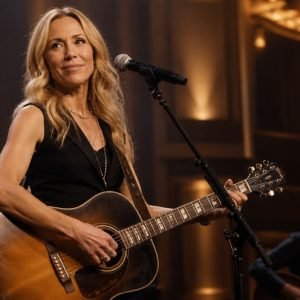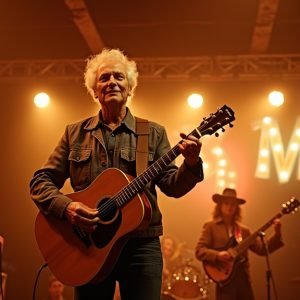
The dust has barely settled on the release of Ella Langley’s sophomore album, Dandelion, and already the critical consensus is undeniable: the Alabama native has transitioned from a rising star to an architect of modern country music. Released on April 10, 2026, the 18-track project is not merely a collection of songs but a cohesive, emotionally resonant narrative that bridges the gap between traditional honky-tonk roots and the sleek, 70s-inspired soft rock that has begun to define her signature sound. With the massive success of her Billboard-topping single “Choosin’ Texas,” Langley faced the daunting pressure of the sophomore slump—a challenge she dismantled with ease, delivering an album that feels both deeply personal and globally accessible.
Key Highlights
A Career-Defining Release: Dandelion* debuted at No. 1 on iTunes, signaling immense commercial interest and confirming Langley’s status as a crossover powerhouse.
- The Lambert Connection: Co-produced by country icon Miranda Lambert, the album benefits from a collaborative synergy that balances Langley’s fresh perspective with seasoned industry wisdom.
- Thematic Resilience: Inspired by the hardiness of the dandelion flower, the album explores themes of survival, emotional growth, and the quiet persistence required to navigate the highs and lows of fame.
- Genre-Bending Sonic Palette: The production moves away from standard pop-country tropes, leaning into warm, vintage textures, folk influences, and pedal-steel-drenched ballads.
The Bloom of Resilience: A Deep Dive into ‘Dandelion’
The title of Ella Langley’s latest record, Dandelion, is more than a botanical metaphor; it is a thesis statement. Throughout the project, Langley presents herself not as a fragile wildflower, but as a resilient organism capable of surviving in the harshest environments—specifically, the high-pressure ecosystem of Nashville’s mainstream country scene. Where her debut, Hungover, was defined by a specific brand of hard-drinking, heartbreak-fueled honesty, Dandelion represents a distinct sonic and emotional maturation.
The Sonic Evolution: Bridging Past and Present
One of the most striking aspects of the album is its production philosophy. Langley, alongside co-producers Miranda Lambert and Ben West, has opted for a sound that feels lived-in. There is a palpable warmth to the record, reminiscent of 1970s soft-rock icons like Stevie Nicks or the more reflective side of Kacey Musgraves. This is not the sterile, over-compressed sound often associated with radio-ready country. Instead, Dandelion embraces imperfections. You can hear the breath in the vocals, the natural decay of the acoustic guitars, and the organic swell of pedal steel.
Tracks like “Butterfly Season” exemplify this shift. The song is a slow-burn reflection on transformation, featuring bouncy piano chords and a patient rhythm that feels like the turning of the seasons. It avoids the temptation to rush the chorus, allowing the melody to unfold with a vulnerability that is rare in the streaming era. By choosing this approach, Langley establishes herself as a legacy-minded artist, one who understands that timelessness is achieved through authenticity rather than trend-chasing.
The Collaboration: The Miranda Lambert Effect
It is impossible to discuss the success of Dandelion without highlighting the pivotal involvement of Miranda Lambert. Their collaborative history, solidified by the runaway hit “Choosin’ Texas,” serves as the backbone of this project. Lambert’s influence is subtle but pervasive. She does not overshadow Langley; rather, she elevates her. In songwriting sessions and production meetings, Lambert seemingly encouraged Langley to lean into her internal contradictions. The result is an album that feels comfortable existing in the tension between being a small-town girl and a global superstar.
This mentorship has yielded dividends. Songs such as “You & Me Time” feature backing vocals from Lambert that add a layer of depth to the arrangement, turning what could have been a standard filler track into a textured, sultry moment. It is a masterclass in how established artists can shepherd the next generation, providing resources and industry insight without stifling the creative voice of the protégé.
Narrative Depth and Lyrical Honesty
Beyond the sonic landscape, Dandelion succeeds because of its lyrical weight. Langley’s writing has evolved to move past the surface-level tropes of “cowboys leaving” to explore the complex psychology behind human attachment. On “Speaking Terms,” a standout track that Langley did not write herself but chose to include, she wrestles with faith and silence. The song confronts the feeling of praying into a void—a deeply human struggle that resonates across religious and secular lines.
This willingness to admit doubt, to showcase the less-than-glamorous sides of growth, and to honor her Alabama roots (evidenced by the inclusion of the folk traditional “Froggy Went A Courtin’”) creates a sense of intimacy. The listener feels as though they are not just consuming an album, but sitting in a room with Langley as she processes her rapid ascent. It is this “relatability” that ensures the album connects with audiences far beyond the traditional country demographic, explaining its dominance on the iTunes charts and its broad streaming appeal.
Secondary Angles: The Broader Landscape
To fully appreciate the impact of Dandelion, one must consider the shifting tides of the industry. Firstly, there is the ongoing discourse regarding the gender disparity in country music radio. Langley’s ability to chart atop the Billboard Hot 100 with “Choosin’ Texas” is a significant data point in the argument that women are not just capable of headlining—they are driving the innovation in the genre. She is proving that female artists do not need to pivot to pop to find mass appeal; they simply need to be given the space to craft compelling, authentic country music.
Secondly, the “Dandelion” era marks a return to physical media appreciation. By offering limited-edition vinyl variants (Honey Bee Yellow and Puffball White), Langley is tapping into a collector culture that values the tangible aspects of music consumption. This strategy aligns with her vintage, 70s-influenced aesthetic, reinforcing the idea that her music is a product to be cherished, not just a stream to be consumed.
Finally, we must look at the “Choosin’ Texas” phenomenon as an economic indicator. The song has logged multiple weeks at No. 1, proving that a well-written, story-driven country song still has the capacity to dominate the cultural conversation. It has effectively turned Langley into a brand, with her “Dandelionland” aesthetic and her consistent social media presence serving as a blueprint for how future country stars will engage with their fanbases.
FAQ: People Also Ask
Q: What is the meaning behind the title ‘Dandelion’?
A: For Ella Langley, the dandelion represents resilience and growth. She has noted that dandelions are “masters of survival,” capable of thriving in harsh environments. The title symbolizes her personal journey of growth and the persistence required to succeed in the music industry.
Q: Who produced Ella Langley’s ‘Dandelion’ album?
A: The album was executive produced by Ella Langley herself, alongside country superstar Miranda Lambert and producer Ben West.
Q: Does ‘Dandelion’ feature any duets or collaborations?
A: Yes, the album features collaborative input from Miranda Lambert, who served as a co-producer, songwriter, and vocalist on certain tracks, reinforcing the mentor-mentee relationship that helped shape the album’s sound.
Q: How does this album differ from her debut, ‘Hungover’?
A: While Hungover was noted for its hard-drinking, classic country-pop sound, Dandelion is described as a sonic maturation. It leans more heavily into 70s soft-rock textures, organic instrumentation, and vulnerable, narrative-driven songwriting, moving away from the more commercial-oriented approach of her debut.