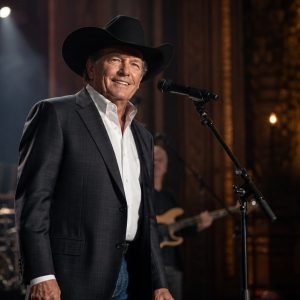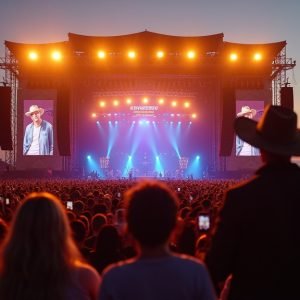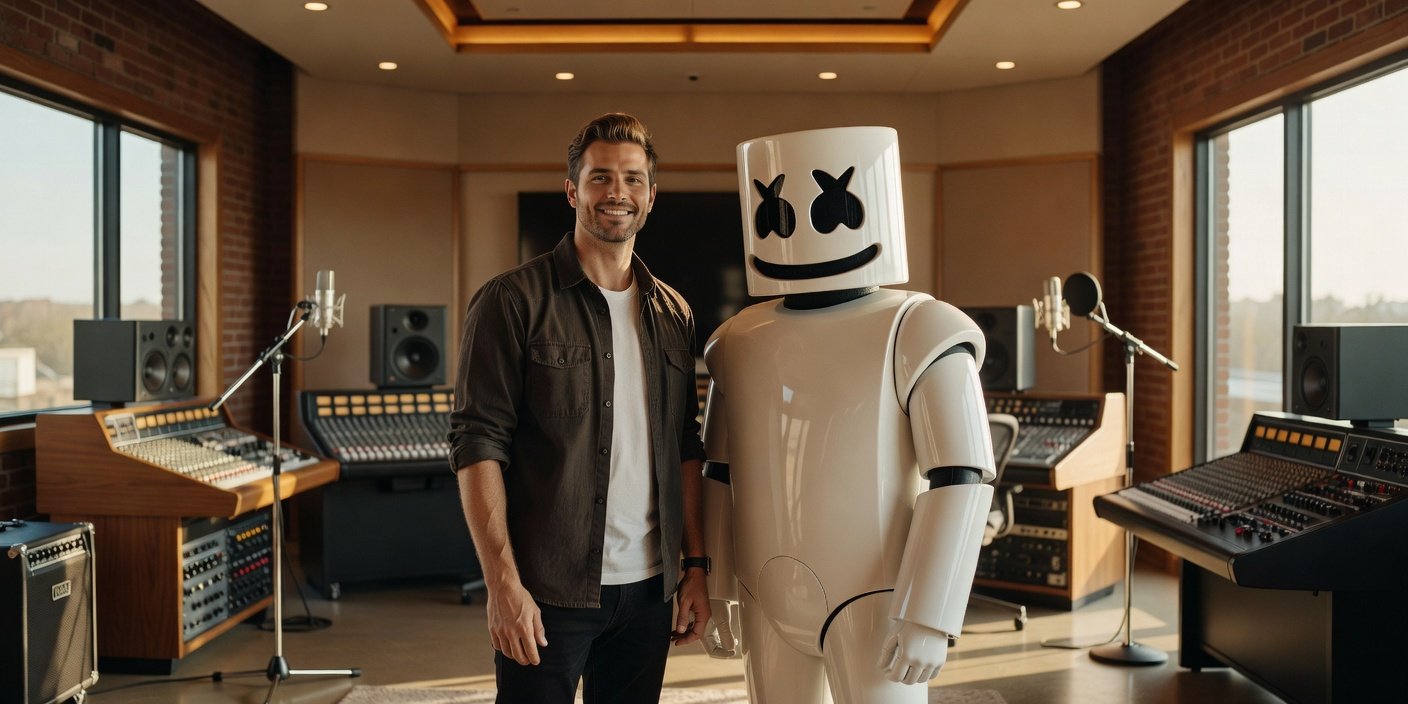
In a musical landscape that increasingly defies borders, the release of “Where We Go” stands as a definitive marker of the modern crossover era. Superstar country artist Thomas Rhett has officially partnered with electronic dance music (EDM) powerhouse Marshmello for a collaboration that is already turning heads on streaming platforms. Released April 10, 2026, the track is a masterclass in hybrid sound design, merging the high-octane polish of modern electronic production with the foundational storytelling and twang of contemporary country music. For fans and industry analysts alike, the song represents more than just a collaboration; it serves as a bellwether for the future of commercial radio, where genres are no longer silos but fluid, interconnected soundscapes.
Key Highlights
- Genre Fusion: The track synthesizes shimmering synth-pop textures with a classic electric guitar intro, creating a stadium-ready anthem that bridges the gap between dance clubs and country radio.
- Strategic Collaboration: The release cements Marshmello’s growing footprint in the Nashville ecosystem, continuing a trend of successful country-crossover partnerships with artists like Jelly Roll and Kane Brown.
- Viral Marketing: The artists leveraged social media interaction, including a lighthearted “Would You Rather” game, to build anticipation and showcase personal chemistry ahead of the drop.
- Chart Dominance: Following Rhett’s recent success with “Ain’t A Bad Life” and Marshmello’s history of chart-topping debuts, industry observers project “Where We Go” to have significant traction across multiple Billboard charts.
The Alchemy of Sound: When Country Meets EDM
At the core of “Where We Go” lies a deliberate attempt to harmonize two seemingly disparate worlds. Music production today often favors homogenization, but this track takes a different path by allowing the distinct elements of both genres to breathe. The production begins with a classic country hallmark: a twang-heavy, blues-inflected electric guitar lick. This grounding element provides the listener with the expected entry point into Rhett’s narrative-focused style. However, as the song progresses, Marshmello’s influence—characterized by expansive, shimmering synth textures and a driving, four-on-the-floor beat—gradually takes center stage.
Breaking the Genre Barrier
This isn’t merely a “country song with a drum beat.” The architecture of the song is built upon a balanced tension. Rhett’s vocal delivery, which is smooth, conversational, and rhythmically precise, adapts perfectly to the electronic pocket created by Marshmello. The chorus, a hooky, chantable refrain centered on the lyrics, “I ain’t even had a drink but I’m backroad tipsy,” is engineered for maximum sing-along potential. This is a crucial element for modern radio play, where the ‘stickiness’ of a chorus is the primary driver of viral success on platforms like TikTok and Instagram Reels.
The Role of Technology in Songwriting
Beyond the performance, the technical production reveals a sophisticated approach to layering. Marshmello utilizes side-chain compression, a staple of EDM, but applies it in a way that allows the vocal to punch through the dense wall of synthesizers. This technical choice prevents the electronic elements from overwhelming the lyrical content. In the modern era of songwriting, this ‘hybridization’ is becoming the standard. Producers are no longer constrained by the sonic palette of a single genre; instead, they are using digital audio workstations (DAWs) to blend the organic warmth of acoustic instruments with the clinical precision of digital synthesis.
The Marshmello Effect: Nashville’s New Neighbor
Marshmello’s foray into country music is a fascinating case study in brand evolution. While many EDM artists have attempted to cross over, few have achieved the sustained success and acceptance within the Nashville establishment that Marshmello has managed. His strategy has been one of collaboration rather than domination. By working with established heavyweights like Kane Brown, Jelly Roll, and now Thomas Rhett, Marshmello acts as a sonic catalyst, bringing a global electronic audience to country music while allowing his country collaborators to experiment with new sounds without alienating their core fanbases.
A Calculated Market Entry
This is not a haphazard move. The Country music demographic has proven to be incredibly loyal, and by integrating himself into this space, Marshmello has secured a second act in his career. His track record—marked by “Miles On It,” which famously debuted at the top of both the Top Dance/Electronic and Top Country charts—proves that audiences are hungry for this blend. “Where We Go” follows this blueprint, providing a fresh, summer-ready aesthetic that feels perfectly timed for the upcoming festival season.
Thomas Rhett’s Evolutionary Trajectory
For Thomas Rhett, this collaboration is a logical step in an already expansive career. Known for his ability to weave pop sensibilities into his country roots, Rhett has consistently pushed his own boundaries. Whether it is his soulful rendition of “Georgia On My Mind” or his recent radio hits featuring Jordan Davis, Rhett is positioning himself as an artist who is not beholden to the traditional limitations of a ‘country star.’ By aligning himself with an artist of Marshmello’s global stature, Rhett is signaling that his brand is international and genre-fluid.
The Cultural Impact of ‘Genre-Blurring’
What we are witnessing with “Where We Go” is a reflection of how younger generations consume music. The concept of a ‘genre’ is increasingly viewed as an outdated construct. For a listener raised on curated Spotify playlists, it is perfectly natural to transition from a traditional country ballad to a high-tempo EDM track within the same listening session. Artists who embrace this fluidity are the ones who are currently dominating the cultural conversation.
The Social Media Feedback Loop
It is impossible to discuss this release without noting the marketing strategy behind it. The “Would You Rather” social media campaign conducted by Rhett and Marshmello—where they discussed bus travel, flying, and even the nuances of a ‘For You’ page algorithm—served to humanize both artists. In an era where parasocial relationships drive consumption, fans want to know the personality of the artist as much as they want to hear the music. This transparency creates a sense of community around the song, turning a simple audio release into an ‘event.’
Economic Implications for the Industry
From a business perspective, these collaborations are high-stakes bets that pay off in cross-pollination. Labels are actively seeking these ‘cross-genre’ hits because they maximize marketing budgets. A single track that can be pitched to both Country Radio and Top 40/Dance Radio effectively doubles the promotional footprint of the song. As we look toward the remainder of 2026, we can expect to see more of these collaborative ventures. The success of “Where We Go” will likely embolden other artists to step outside their comfort zones, potentially leading to a year where the boundaries between Nashville and the global dance scene become virtually non-existent.
FAQ: People Also Ask
1. Is ‘Where We Go’ a permanent shift in Thomas Rhett’s style?
It is unlikely to be a permanent shift, but rather an expansion. Thomas Rhett has a history of experimenting with pop, soul, and R&B elements while maintaining his country roots. This release reflects his ongoing evolution rather than a departure from his core identity.
2. Why is Marshmello collaborating with so many country artists?
Marshmello is strategically expanding his influence. By blending EDM production with country music’s strong emphasis on storytelling, he is tapping into a massive, loyal audience, allowing him to stay relevant and reach new demographics beyond the dance music scene.
3. Will ‘Where We Go’ be played on country radio?
Given Thomas Rhett’s track record and the current trend of genre-blending on country radio, it is highly probable that the song will receive significant airplay, provided it adheres to the essential ‘country’ lyrical themes and song structure, which “Where We Go” successfully incorporates.
4. What does the term ‘genre-blurring’ mean in this context?
It refers to the deliberate mixing of sonic elements—in this case, synthesizers/beats and electric guitars/storytelling—that prevents a song from being easily categorized into a single, traditional musical box. This helps the song reach listeners who might typically only consume one style of music.